From a WMF workshop to the Riedlingen works
Silit began in 1920 as a product line inside the WMF works in Geislingen: a steel pot, made to sell in a country short of raw materials. The first pressure cooker followed in 1927 under the name Siko - the product that would become Sicomatic and stay in production for a century.
In 1956 the entire Silit production moved to a purpose-built plant in Riedlingen on the Danube. Enamel gave way to stainless, then to coated surfaces. In 1962 came the first enamel frying pan with an anti-stick effect; in 1975 the Sicomatic-S put the cooking regulator into the handle, a world first.
The material that defines the brand arrived in 1989. Silargan - a steel core sealed inside pore-free functional ceramic - solved two problems at once: heat that behaves, and a surface that does not react with food. It is nickel-free, taste-neutral and scratch-resistant by nature rather than by coating.
Ownership changed along the way. WMF sold Silit in 1964, bought it back in 1998 after a difficult decade, and since 2016 the Riedlingen works has operated as a pure production company. WMF itself joined Groupe SEB in 2016–2017, which makes Silit part of a large European housewares group without changing what leaves the factory gate.
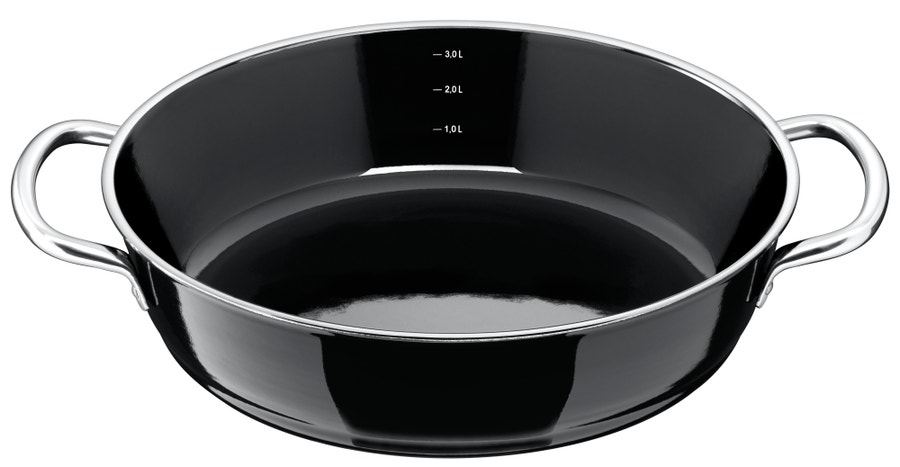
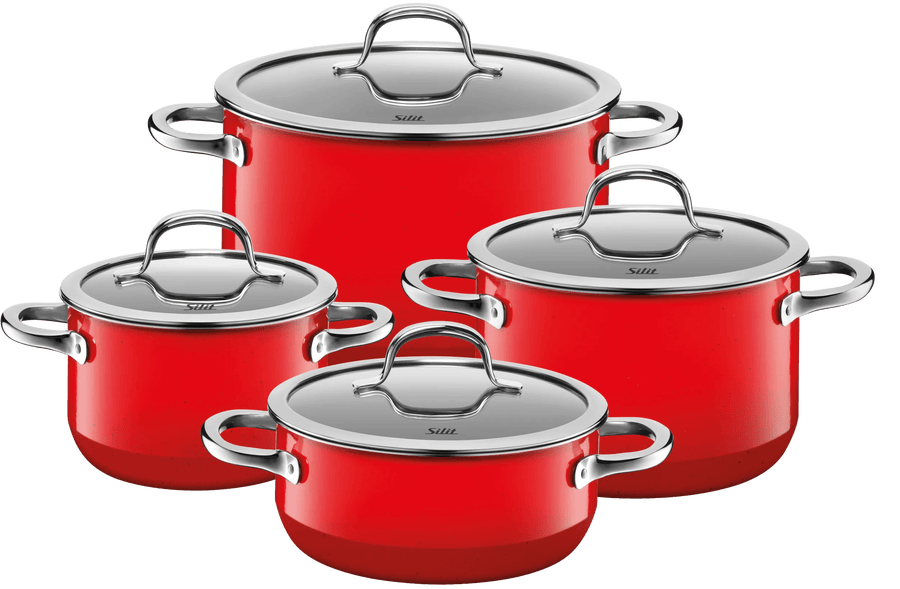
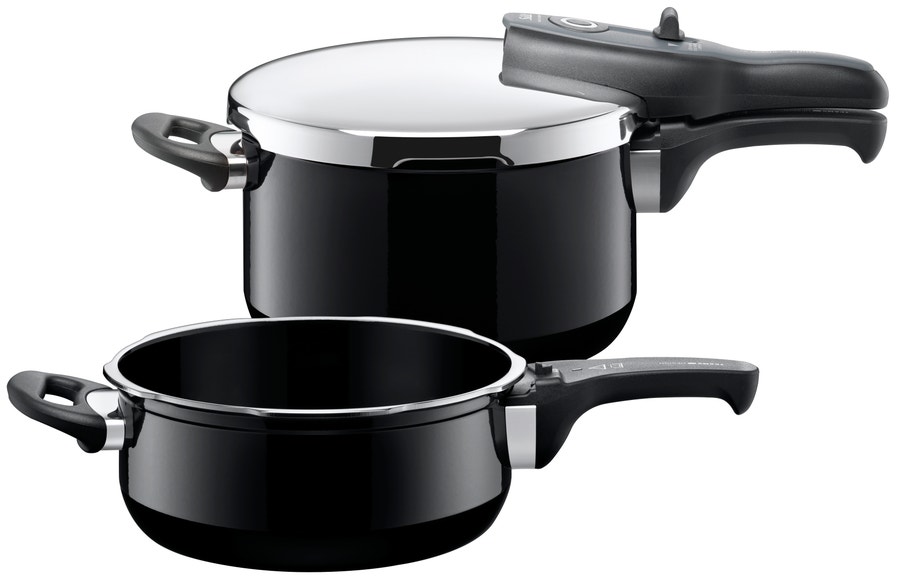
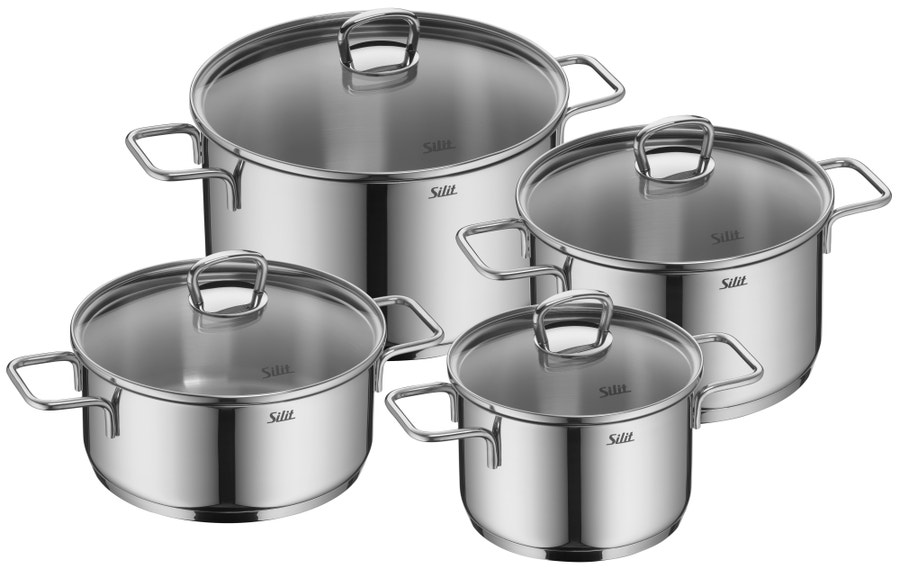
Today the line-up runs from Silargan pots and pans to Sicomatic pressure cookers, woks, storage and replacement parts. The 30-year warranty on Silargan cookware is the long version of the same claim Silit has been making since 1920: buy it once.